
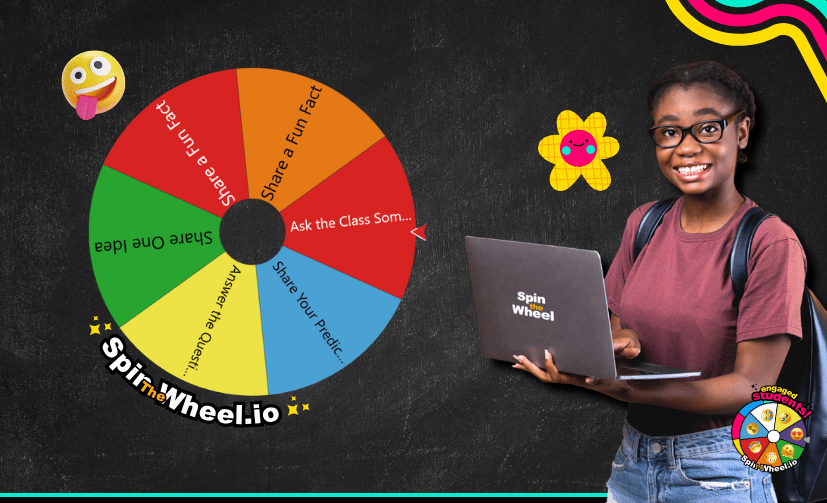
Student Engagement Activities Checklist for Teachers: Problems, Solutions & Classroom Ideas
Keeping students engaged is one of the biggest challenges teachers face. Whether you teach primary students, secondary learners, or adult classes, maintaining attention, encouraging participation, and creating an active learning environment requires the right strategies.
Many teachers experience the same classroom problems:
- The same students answer every question.
- Quiet students avoid participating.
- Lessons become predictable.
- Group activities are difficult to manage.
- Students lose focus during longer lessons.
- Review sessions feel repetitive.
The solution is not simply adding more activities. Effective student engagement comes from choosing the right activity for the right classroom challenge.
This student engagement activities checklist for teachers provides practical solutions, classroom examples, and interactive strategies that help increase participation, improve motivation, and create more engaging lessons.
One simple tool that helps teachers solve many engagement challenges is Spin The Wheel.
Teachers can use Spin The Wheel to randomly select students, create discussion activities, assign groups, run review games, choose classroom tasks, and add an element of curiosity to everyday lessons.
5 High-Engagement Listening Activities for Any Language Level
Why Student Engagement Matters
Student engagement is should aim at creating opportunities for learners to actively participate in the learning process.
Engaged students are more likely to:
✓ Participate in discussions
✓ Ask questions
✓ Remember information
✓ Collaborate with classmates
✓ Build confidence
✓ Take ownership of their learning
✓ A successful classroom gives every student opportunities to think, contribute, and interact.
Student Engagement Checklist: Common Problems and Solutions
Problem 1: The Same Students Always Participate
What Teachers Notice
There are students who regularly volunteer while others stay silent.
Common reasons include:
- Some students are more confident speaking publicly.
- Some learners need more thinking time.
- Some students worry about giving the wrong answer.
- Some students become comfortable letting others participate.
✓ Solution: Create Fair Participation Opportunities
Teachers can encourage wider participation by using random selection activities.
Instead of asking only volunteers, use Spin The Wheel to randomly select students for:
- Answering questions
- Sharing opinions
- Explaining ideas
- Reading passages
- Solving problems
- Leading discussions
Random selection keeps everyone prepared because every student has a chance to participate.
Classroom Example:
History lesson:
Create a wheel with student names. After explaining a topic, spin the wheel and ask the selected student to share one important fact they learned.
Teacher Checklist
☐ Every student has an opportunity to participate
☐ Students have thinking time before answering
☐ Effort is praised, not only correct answers
☐ Different students contribute throughout the lesson
Problem 2: Students Lose Focus During Lessons
What Teachers Notice
Even well-prepared lessons can lose student attention.
Signs include:
- Students looking distracted
- Less discussion
- Increased side conversations
- Students waiting for the lesson to end
✓ Solution: Add Interactive Learning Activities
Students engage more when they are actively involved.
Try adding:
✓ Quick questions
✓Pair discussions
✓ Mini challenges
✓ Classroom polls
✓ Brain breaks
✓ Reflection activities
✓ A simple activity wheel can instantly create interaction.
Classroom Example
Create a lesson discussion wheel with prompts:
- Explain this idea in your own words.
- Give an example.
- Ask a question.
- Connect this topic to real life.
- Summarize the lesson.
Teacher Checklist
☐ Students interact during lessons
☐ Activities change regularly
☐ Students have opportunities to speak
☐ Lessons include active participation
Problem 3: Review Activities Feel Boring
What Teachers Notice
Revision is important, but traditional review methods can become repetitive.
Students may lose interest when every review lesson involves:
- Worksheets
- Repeated quizzes
- Teacher questioning only
✓ Solution: Turn Review Into an Interactive Game
Review becomes more engaging when students experience challenge, choice, and surprise.
Teachers can create Spin The Wheel review activities for:
- Vocabulary questions
- Quiz topics
- Revision challenges
- Bonus questions
- Team competitions
- Concept explanations
Classroom Examples
Math class:
Wheel options:
✓ Solve a problem
✓ Explain your method
✓ Help a teammate
✓ Create a similar question
Language class:
Wheel options:
- Define the word
- Use it in a sentence
- Give an example
- Find a synonym
Teacher Checklist
☐ Review includes different question types
☐ Students explain their thinking
☐ Students receive feedback
☐ Revision feels interactive
Problem 4: Group Work Is Difficult to Organize
What Teachers Notice
Group activities are valuable, but teachers often face challenges:
- Students always choose the same friends
- Some students do all the work
- Others avoid participation
- Creating groups takes time
✓ Solution: Use Random Grouping Strategies
Random grouping creates new collaboration opportunities and saves preparation time.
Teachers can use Spin The Wheel for:
- Selecting teams
- Assigning roles
- Choosing presentation order
- Picking discussion topics
Classroom Example
For a science project:
Create wheels for:
Wheel 1:
✓ Team members
Wheel 2:
✓ Researcher
✓Presenter
✓ Note taker
✓ Time manager
✓ This creates structure and encourages equal participation.
Teacher Checklist
☐ Groups are organised quickly
☐ Roles are clearly assigned
☐ Every student contributes
☐ Students work with different classmates
Problem 5: Students Are Afraid to Make Mistakes
What Teachers Notice
Some students avoid participation because they fear being wrong.
This can reduce:
- Confidence
- Creativity
- Classroom discussion
- Risk-taking
✓ Solution: Build a Safe Learning Environment
Students participate more when mistakes are treated as part of learning.
Teachers can encourage engagement through:
- Open discussions
- Small-group activities
- Positive feedback
- Low-pressure questions
✓ Random activities can also help because students are not singled out based on confidence level.
Teacher Checklist
☐ Students feel comfortable sharing ideas
☐ Mistakes are treated positively
☐ Different opinions are welcomed
☐ Participation is encouraged
Problem 6: Teachers Need Quick Activities With Little Preparation
What Teachers Notice
Teachers often need activities that can be prepared quickly.
Common situations:
- Five minutes left before class ends
- Students finish work early
- A lesson needs more interaction
- Students need a short activity break
✓ Solution: Build a Ready-to-Use Engagement Activity Bank
Keep simple activities available.
Examples:
✓ Question wheels
✓ Icebreaker wheels
✓ Exit ticket wheels
✓ Discussion wheels
✓ Vocabulary wheels
✓ Challenge wheels
✓ Spin The Wheel helps teachers create reusable classroom activities quickly.
Teacher Checklist
☐ Activities can be reused
☐ Preparation time is low
☐ Activities match learning goals
☐ Students remain involved
Problem 7: Students Need More Variety in Classroom Activities
What Teachers Notice
Using the same teaching methods every day can reduce motivation.
Students benefit from different learning experiences.
Solution: Mix Teaching Strategies
Combine:
✓ Individual thinking
✓ Partner discussion
✓ Group work
✓ Games
✓ Reflection
✓ Student presentations
✓ Interactive tools help teachers introduce variety without adding extra workload.
Teacher Checklist
☐ Students experience different activities
☐ Lessons include interaction
☐ Students have choices
☐ Activities support different learning styles
Complete Student Engagement Checklist for Teachers
Before the Lesson
☐ Learning objective is clear
☐ Students will participate actively
☐ Activities are prepared
☐ Questions are ready
☐ Different learning styles are considered
During the Lesson
☐ Students are discussing ideas
☐ Multiple students participate
☐ Activities are varied
☐ Students receive feedback
☐ Quiet students are included
After the Lesson
☐ Students achieved the learning goal
☐ Engagement levels are reviewed
☐ Successful activities are repeated
☐ Improvements are planned
How Teachers Can Use Spin The Wheel for Student Engagement
Spin The Wheel is a simple classroom engagement tool that helps teachers add interaction and fairness to lessons.
Popular classroom uses include:
Random Student Picker
Select students fairly for:
✓ Questions
✓ Presentations
✓ Reading activities
✓ Classroom discussions
Discussion Starter
Create wheels with:
✓ Opinion questions
✓ Debate topics
✓ Reflection prompts
✓ Conversation starters

Related article | How digital wheel challenges re-energise teenage classrooms
Classroom Review Game
Create revision wheels for:
- Questions
- Challenges
- Team activities
- Knowledge checks
Group Activity Organiser
Use wheels to assign:
✓ Teams
✓ Roles
✓ Tasks
✓ Topics
Classroom Management Activities
Create wheels for:
- Classroom jobs
- Rewards
- Brain breaks
- Daily activities

Frequently Asked Questions
What are student engagement activities?
Student engagement activities are classroom strategies that encourage students to actively participate, communicate, collaborate, and think about their learning.
Examples include discussions, quizzes, games, group activities, reflection tasks, and interactive technology tools.
How can teachers make lessons more engaging?
Teachers can make lessons more engaging by using active learning strategies, encouraging participation, adding variety, and creating opportunities for students to collaborate.
What are quick classroom engagement activities?
Quick activities include:
- Question wheels
- Exit tickets
- Think-pair-share
- Quick quizzes
- Discussion prompts
- Brain breaks
How can teachers encourage shy students to participate?
Teachers can support shy students by creating a safe classroom environment, allowing thinking time, using small-group activities, and providing fair participation opportunities.
Why use random selection in classrooms?
Random selection gives every student an equal chance to participate and helps prevent only confident students from answering questions.
Final Thoughts
Student engagement improves when teachers create classrooms where every learner has opportunities to participate.
The best engagement strategies are simple, practical, and easy to repeat. By identifying common classroom challenges and choosing the right solutions, teachers can increase participation, improve motivation, and create more memorable learning experiences.
Whether you need a random student picker, a classroom discussion activity, a review game, or a quick lesson starter, Spin The Wheel helps teachers make everyday lessons more interactive.
Start creating engaging classroom activities with Spin The Wheel.